
World Cup 2026 Value Picks: Where the Market May Be Wrong
World Cup 2026 value picks: a framework for finding dark horses, underdog multiples and group mispricings where the prediction market may be wrong.
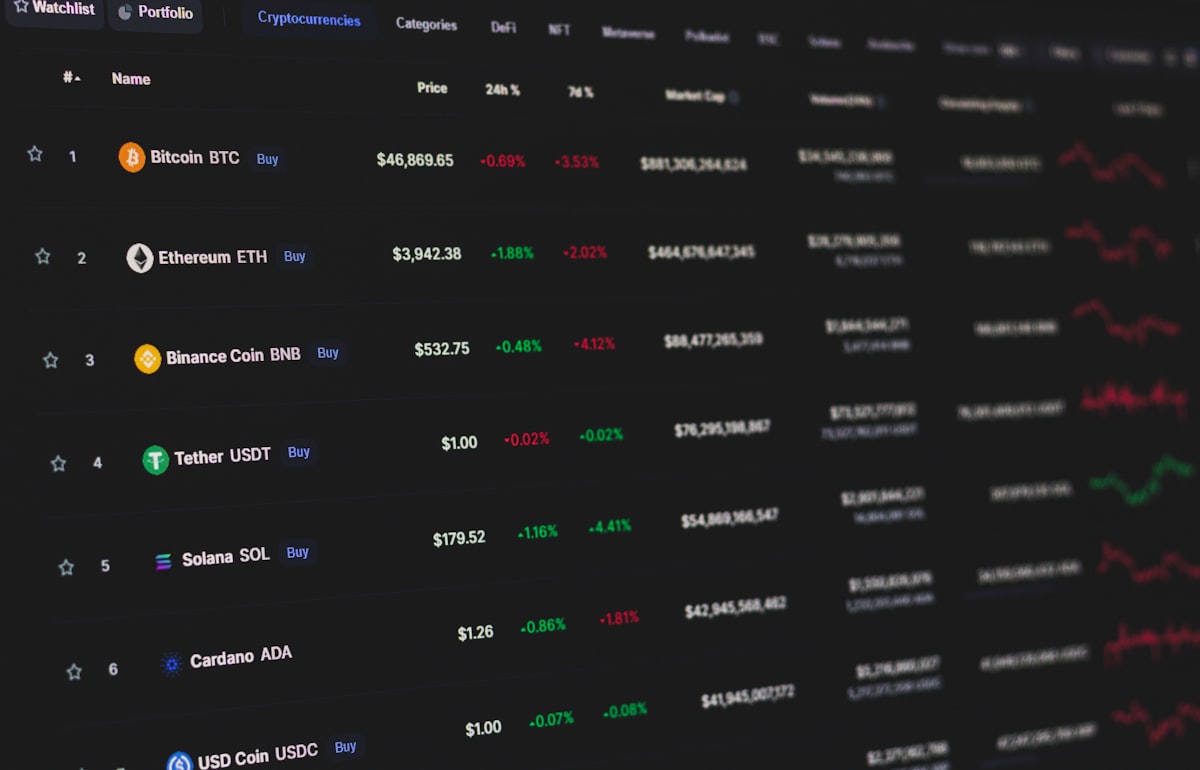
Hunting for World Cup 2026 value picks is not about finding the team you think will win — it is about finding the team the crowd has priced wrong. With the opener kicking off today at the Estadio Azteca and 104 matches stretching to the MetLife final on July 19, the pools are deep, the money is moving fast, and the gaps between what a result *should* cost and what it *does* cost are widest in the first week. Value lives in those gaps, not in backing the obvious.
On a parimutuel market like PolyBola, you are not fighting a bookmaker's margin — you are reading the rest of the crowd. The 5% fee comes out of the pool and 95% is paid to winners, so the only edge you need is being slightly less wrong than everyone else who backed the same outcome. That is the entire game. (Availability varies by jurisdiction; 18+; pool-paid, not a sportsbook.)
What "value" actually means in a pool
Value is the gap between your honest estimate of how likely something is and the implied probability the market is charging for it. If you think a team has a real 20% chance of topping its group and the pool implies 12%, that is a value pick — regardless of whether it actually happens. You will lose plenty of good bets and win plenty of bad ones; value is about the price you paid, not the result you got. If that distinction is new, our explainer on how to read prediction market odds and the deeper dive on how parimutuel markets work are the place to start.
Crucially, parimutuel prices are not fixed. The implied probability you see now is a snapshot of where the money currently sits, and it will drift as more USDC pours in. A line that looks generous at lunchtime can be gone by the evening. And because PolyBola match markets close at kickoff, the price you take is the price you are locked into — there is no in-running trading, only following the live score afterwards and watching where the pool settled.
The crowd is usually right about who is good. It is far less reliable about how good — and that overconfidence at the top is exactly where the underdog multiples get fat.
Three places the market tends to be wrong
After years of watching tournament pools, the same three mispricings show up again and again. None is a guaranteed winner — they are simply where the crowd's biases leave room.
1. The over-loved favourite
Early-June implied title probability on prediction markets had Spain and France both around 16%, England near 11%, Brazil around 9%, and Argentina swinging anywhere from 11% to 22% depending on the pool. Stack those up and the top five teams soak up well over half the entire winner market. But a 48-team, single-elimination-from-the-round-of-32 bracket is a coin-flip machine. The favourites are genuinely strong — see our reads on the World Cup 2026 favorites and the live winner odds tracker — yet when the top is that crowded, the value is rarely in paying full price for it. The money the crowd over-commits to Spain and France has to come from somewhere, and that somewhere is the next tier down.
2. The underdog multiple
A team at a 4% implied title probability does not need to win the World Cup to be a value pick — it needs to win *more often than 4% of the time* across the thousands of parallel universes this tournament could play out in. Dark horses are where that maths gets interesting. Sides like Morocco, who reached the 2022 semi-final, and a fearless Japan have the profile of teams the crowd systematically underrates. Our breakdowns of Morocco as a dark horse and Japan's dark-horse case lay out why, and the wider World Cup 2026 dark horses piece maps the whole field.
The trap with underdog multiples is the lottery-ticket instinct: backing a 30-1 shot *because* it pays 30-1, not because you think it is mispriced. Discipline means only taking the long price when your own estimate is meaningfully higher than the implied one. Most long shots are long for a reason.
3. The group-stage mispricing
This is where the sharpest edges hide, because the crowd pays far less attention to a group winner or a to-qualify market than to the headline trophy pool. A heavyweight drawn into a soft group can be wildly overpriced to simply advance — you are paying a premium for a near-certainty. Meanwhile, the second-best team in a 'group of death' is often underpriced to escape, because the crowd anchors on the seeded favourite and forgets that the expanded format sends a generous number of third-placed teams through. Our group stage predictions walk through each group; the 48-team format explainer shows exactly how qualification works under the new structure.
A simple framework for spotting value
You do not need a model. You need a repeatable habit. Run every potential pick through the same checklist before you commit a single USDC:
- Form your own estimate FIRST. Decide what you think the probability is before you look at the pool. Looking first anchors you to the crowd and kills your edge.
- Compare to the implied probability. The gap — yours minus the market's — is your entire reason to bet. No gap, no bet.
- Ask why the crowd is wrong. If you cannot articulate the bias (recency, big-name reputation, an ignored group draw), assume the market is right and you are missing something.
- Size to your conviction, not your excitement. A small edge gets a small stake. The thrill of a long shot is not conviction.
- Check the clock. Match markets close at kickoff, so a pre-match value price can evaporate as money arrives — take it when you see it or let it go.
- Log every pick. Over a 104-match tournament, the only honest scoreboard is your own record of prices paid versus outcomes.
If you want to pressure-test your process before the knockouts, our guides on how to predict World Cup matches and round of 32 predictions are built around exactly this kind of thinking.
Reading the wider market for context
No single pool is gospel. Cross-checking how different venues price the same outcome is one of the fastest ways to spot a mispricing — when one market is well out of line with the rest, either it knows something or it is the one offering value. The aggregate winner market on Polymarket is a useful reference point, and analysts like Nate Silver's model-based World Cup odds give you an independent probability estimate to compare against the crowd. For the tactical and form picture behind the numbers, ESPN's soccer coverage is hard to beat. None of these are betting advice; they are inputs you weigh against your own read.
It is also worth remembering the scale you are trading into. Prediction-market volume has surged over the past year, which means deeper pools, tighter pricing — and a crowd that is, on average, getting harder to beat. The easy mispricings get arbitraged away fastest, so the durable value tends to sit in the markets fewer people watch: the group-stage and to-qualify pools rather than the trophy headline.
Where the value sits today
With the group stage live, the clearest opportunities are the markets the crowd is rushing past. A few principles for the next two weeks:
- Fade the over-crowded top. When five teams hold more than half the winner pool, the marginal value is rarely in paying full price for Spain or France.
- Hunt qualification markets, not just outright winners. Second seeds in tough groups are often underpriced to advance under a format that rewards strong third-placed sides.
- Treat dark horses as probabilities, not lottery tickets. Only take the long price when your estimate genuinely beats the implied one.
- Respect the kickoff cutoff. Lock in a value price when you find it — there is no in-play window to wait for.
- Keep a record. Your edge only becomes visible over many matches, never a single result.
Above all, remember what you are actually doing: putting real money on uncertain outcomes against a smart crowd. Stake only what you can afford to lose, treat every pick as a probability rather than a prediction, and let the price — not the scoreline you are dreaming of — decide whether it is worth it. (Availability varies by jurisdiction; 18+; pool-paid, not a sportsbook.)
Make your call
Back your prediction in a fair, pool-paid market — 95% of every pool goes to winners.
Trade the World Cup on PolyBolaThe favourites will get most of the headlines and most of the money over the next five weeks. The value, as ever, will be hiding everywhere else.
Frequently asked questions
What is a value pick in the World Cup market?+
A value pick is an outcome where you believe the true chance of it happening is higher than the implied probability the market is charging. It is about the price you pay, not whether the bet wins — you can back great value and still lose, because every pick is a probability, not a guarantee.
Are dark horses actually good value at the World Cup?+
Sometimes. Teams like Morocco and Japan are often underrated by a crowd that anchors on big names, which can leave their prices generous. But most long shots are long for a reason. Only treat a dark horse as value when your own honest estimate of its chances clearly beats the implied probability — never just because the payout is big.
Where do the biggest mispricings show up?+
Usually in the markets fewer people watch: group winner and to-qualify pools rather than the headline trophy market. A heavyweight in a soft group can be overpriced to advance, while the second-best side in a 'group of death' is often underpriced to escape under the 48-team format that rewards strong third-placed teams.
Can I bet on a World Cup match while it is being played?+
No. PolyBola match markets close at kickoff, so there is no in-running trading. 'Live' here means following the live score and seeing where the pool settled — the price you take before kickoff is the price you are locked into, which is why you should commit to a value line when you spot it.
How is a parimutuel pool different from a sportsbook?+
In a parimutuel pool you bet against other traders, not against a house. A flat 5% fee comes out of the pool and the remaining 95% is shared among the winners, so prices reflect where the crowd's money sits rather than a bookmaker's built-in margin. Availability varies by jurisdiction; 18+; pool-paid, not a sportsbook.
Do the implied odds change during the tournament?+
Constantly. Implied probabilities are a snapshot of where money currently sits and they drift as more USDC enters a pool. A generous line at midday can be gone by evening, so always treat any number you see as a moving figure rather than a fixed price.
Make your call
Join PolyBola, fund your balance in USDC, and back your World Cup 2026 call on a live parimutuel market.
Start predicting on PolyBola →Keep reading

World Cup 2026 Dark Horses: Underdogs That Could Shock the World
The 48-team WC2026 format opens new paths for underdogs. We pick the dark horses with the best chance to shock the favourites — and the markets to back them.
May 24, 2026
How to Read Prediction Market Odds: A Complete Guide
Learn how to read prediction market odds from scratch — price-to-probability conversion, parimutuel pools vs order books, overround, and real World Cup examples.
June 10, 2026

World Cup 2026 Group Stage Predictions: Groups, Upsets & Market Angles
A group-by-group World Cup 2026 prediction guide with favorites, upset paths, third-place dynamics and markets to watch before kickoff.
June 9, 2026