
The 48-Team World Cup Format Explained: Groups, Round of 32 & How It Works
32 teams is history. The 2026 World Cup brings 48 nations, 12 groups and a brand-new Round of 32. Here's exactly how the expanded format works.
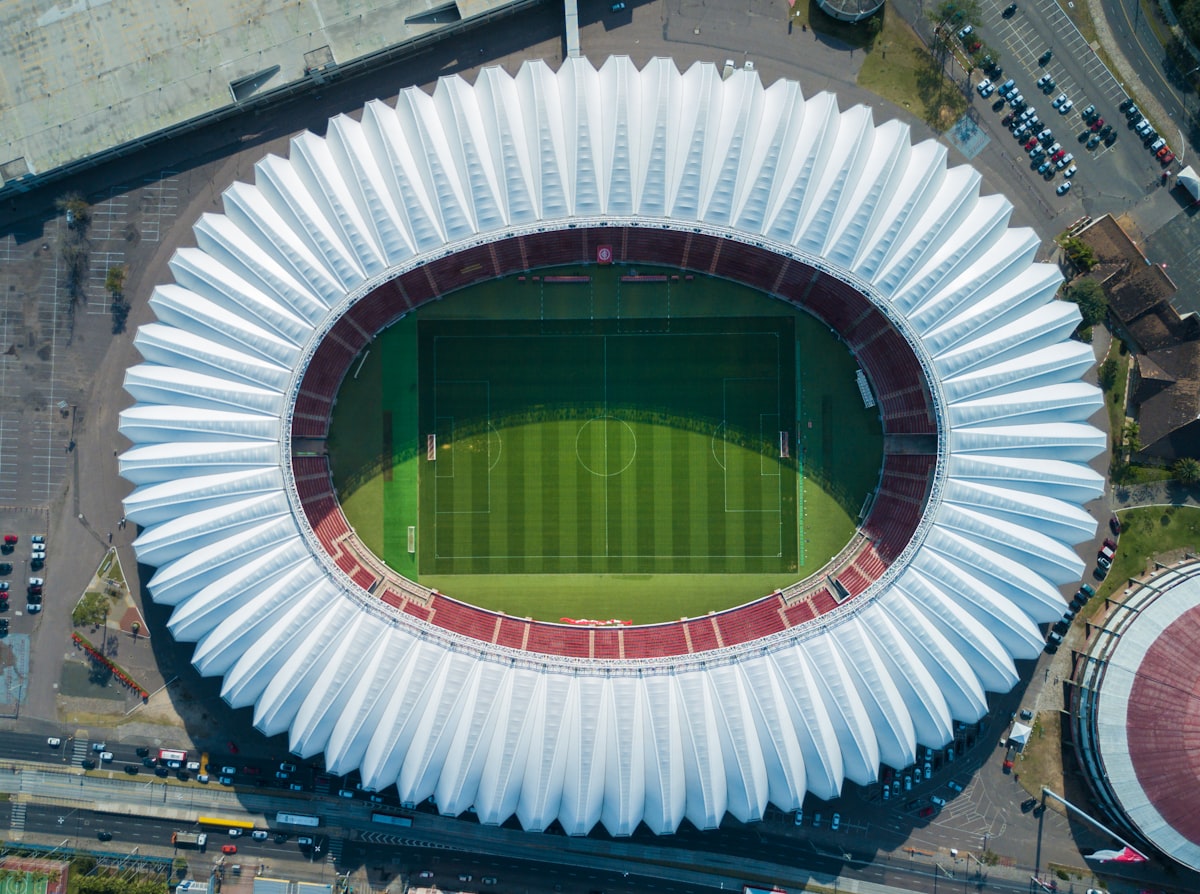
The 2026 FIFA World Cup is the first edition to feature 48 teams — a 50% increase from the 32-team format that has been in place since 1998. For casual fans, the headline is more football and more nations. For serious analysts and prediction-market traders, the expansion creates a fundamentally different tournament structure with real implications for who can win, how probabilities are distributed, and where the upsets are most likely to come. Understanding the format is not optional background reading — it is essential context for any intelligent market position.
On PolyBola, all winner and player markets are settled against the real tournament outcome. If you want to understand why certain probabilities look the way they do, start here. And if you want to compare how prediction-market odds are calculated versus traditional sportsbooks, our PolyBola vs Kalshi explainer goes deep on the mechanics.
From 32 to 48: Why the Change?
FIFA's decision to expand from 32 to 48 teams was driven by a combination of commercial ambition and genuine footballing rationale. More nations participating means more television markets, more fans engaged, and more opportunities for the game to grow in regions like Asia, Africa, CONCACAF, and Oceania, which historically have been under-represented. The footballing argument is that the global talent pool has deepened — there are more competitive nations now than in 1998, and a 32-team field increasingly excluded genuinely strong sides.
The Group Stage: 12 Groups of 4
The 48 teams are divided into 12 groups of 4 — up from 8 groups of 4 in the previous format. Each team plays three group-stage matches. The top two teams in each group advance automatically to the knockout rounds: that's 24 teams guaranteed safe passage. The key innovation is what happens to the third-placed teams.
The Best Third-Place Rule: 8 Extra Qualifiers
Of the 12 third-placed teams — one from each group — the 8 with the best records also advance to the Round of 32. This means finishing third in a group is no longer automatically fatal. Teams that might once have gone home after three draws can now qualify, so long as enough other third-placed finishers have worse records. The tiebreakers — points, then goal difference, then goals scored, then head-to-head — will be scrutinised in extraordinary detail in those final group-stage matches. Expect dramatic simultaneous kick-offs and genuine jeopardy right through to the last whistle of each group's final round.
This mechanism is enormously significant for prediction-market probabilities. A team like the USA or Mexico, historically prone to getting out of a group and then falling in the Round of 16, now has to navigate one additional knockout match — but also has more paths to get there in the first place.
The New Round of 32
The completely new stage introduced by the expanded format is the Round of 32 — 32 teams, single-elimination, played in full before the Round of 16 begins. This is an entirely new knockout round that the previous format did not have. In practical terms it means every team that reaches the knockout stage must now win five matches to reach the final, up from four. For elite favourites, this is an additional obstacle — one more opportunity for an upset, one more game in which cumulative fatigue, injuries, or a bad day can end a campaign.
Full Bracket Path to the Final
Here is the complete path from group stage to trophy:
- Group stage: 12 groups × 4 teams → 3 matches per team
- Qualification: Top 2 from each group (24 teams) + 8 best third-placed teams = 32 teams
- Round of 32: 32 → 16 teams (new stage)
- Round of 16: 16 → 8 teams
- Quarter-finals: 8 → 4 teams
- Semi-finals: 4 → 2 teams
- Final: July 19, MetLife Stadium, New Jersey
What This Means for Underdogs
The expanded format is structurally more generous to smaller nations. More teams qualify from each confederation, more third-placed finishers survive, and the draw can throw up favourable matchups early in the knockout rounds. The flip side is that an underdog now needs to win more matches to cause a historic upset — reaching the final from, say, a surprise CONCACAF qualifier would require winning six straight knockout games. For traders eyeing long-shot positions in PolyBola's winner pools, this is a key consideration. Our World Cup 2026 dark horses piece explores which outsider nations might exploit the new format best.
How the Format Affects Prediction-Market Probabilities
In a parimutuel market like PolyBola's, all stakes for a given outcome — say, France to win the World Cup — pool together. If France wins, that pool is split among all holders of the France position, minus the transparent 5% rake. What the expanded format does is increase variance: there are more matches, more junctures at which a favourite can be eliminated, and more opportunities for the field to thin in unpredictable ways. This variance slightly compresses the implied probability gap between elite sides and second-tier contenders compared to a 32-team tournament. Understanding how these mechanics work is the difference between trading on instinct and trading with an edge. Read our full how parimutuel markets work guide for the arithmetic. You can also browse all live markets on PolyBola to see where current pool money is concentrated.
The Round of 32 is not just a new round — it is a new layer of uncertainty. Every contender faces one more chance to be ambushed.
Sources and Market Context
For source context, compare this analysis with FIFA official match schedule and Al Jazeera 48-team format analysis; then use the related PolyBola links above to translate the public market narrative into a concrete World Cup 2026 position.
Make your call
Think you can read the World Cup better than the crowd? Put it to the test.
Explore all World Cup 2026 prediction markets on PolyBola →Frequently asked questions
How many teams are in the 2026 World Cup?+
The 2026 FIFA World Cup features 48 teams — a 50% increase from the previous 32-team format. They are divided into 12 groups of 4, with the top 2 from each group plus the 8 best third-placed teams advancing to the new Round of 32.
What is the new Round of 32 in the 2026 World Cup?+
The Round of 32 is a completely new knockout stage introduced for 2026. After the group stage, 32 teams compete in single-elimination matches before the Round of 16 begins. This means every team needs to win five knockout matches to reach the final, compared to four in previous editions.
Does the expanded format make it harder for favourites to win the World Cup?+
In theory, yes — more matches means more exposure to upsets, and the new Round of 32 adds one extra knockout game for every side. On PolyBola's parimutuel pools, this increased variance is already reflected in how probability is distributed across the field. See how the [format guide](/blog/world-cup-2026-format-explained) and our [favorites analysis](/blog/world-cup-2026-favorites) interact to get the full picture.
Make your call
Join PolyBola, fund your balance in USDC, and back your World Cup 2026 call on a live parimutuel market.
Start predicting on PolyBola →Keep reading

World Cup 2026 Dark Horses: Underdogs That Could Shock the World
The 48-team WC2026 format opens new paths for underdogs. We pick the dark horses with the best chance to shock the favourites — and the markets to back them.
May 24, 2026
How Parimutuel Prediction Markets Work (and Why PolyBola Uses Pools)
No order book, no counterparty. Parimutuel pools let the crowd set the price. Here's exactly how PolyBola's pooled markets work, with a plain-English example.
May 22, 2026
World Cup 2026 Schedule & Host Cities: The Complete Guide
Everything you need to know about World Cup 2026 dates, all 16 host cities across the USA, Canada and Mexico, and the key matches to watch.
May 30, 2026