
World Cup 2026 Schedule & Host Cities: The Complete Guide
Everything you need to know about World Cup 2026 dates, all 16 host cities across the USA, Canada and Mexico, and the key matches to watch.
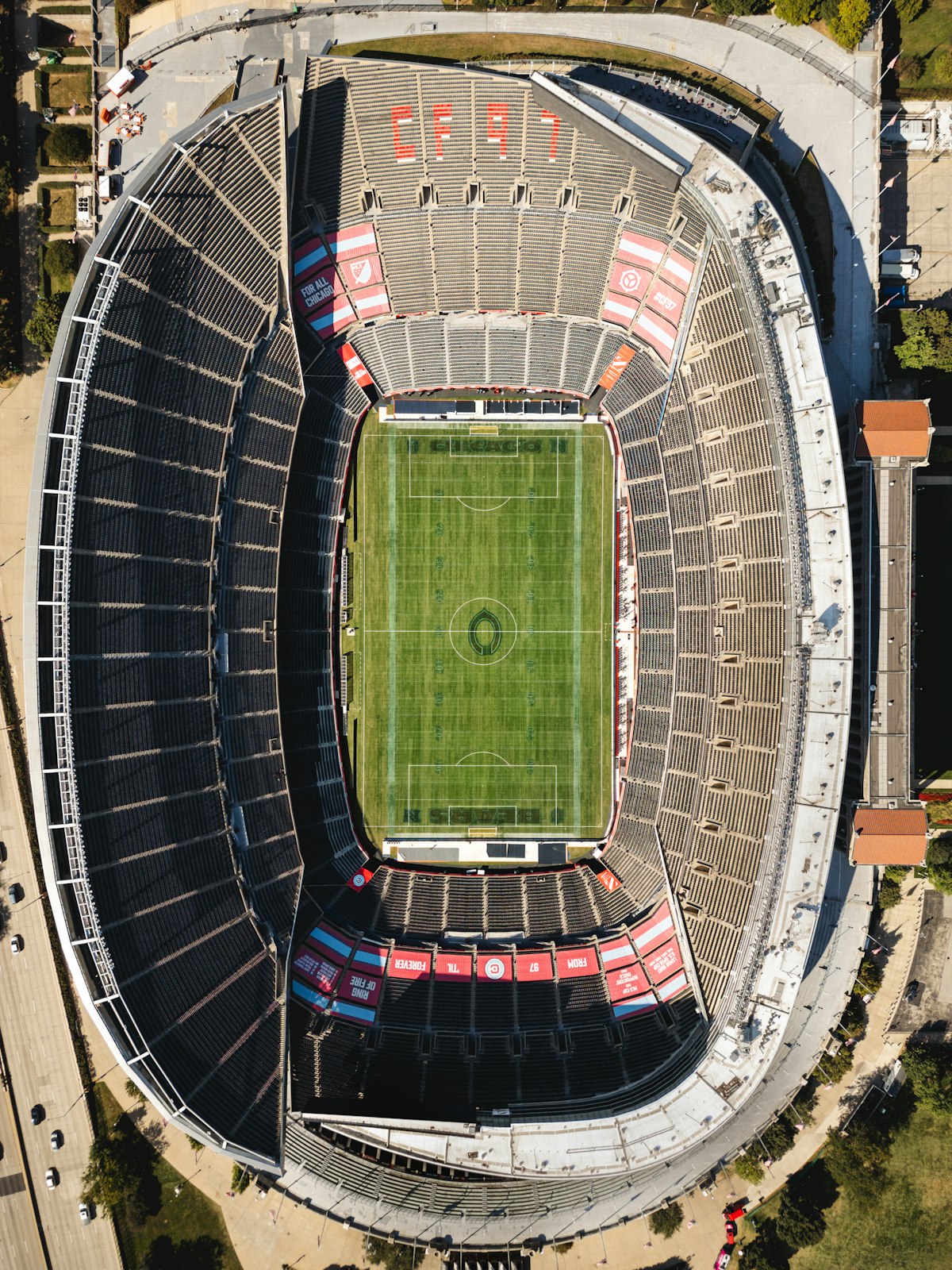
The 2026 FIFA World Cup is the most geographically ambitious tournament in the history of football. Spread across three nations — the United States, Canada, and Mexico — and 16 cities from Vancouver in the northwest to Miami in the southeast, the tournament runs from June 11 to July 19, 2026. With 104 matches and 48 nations competing, the logistics alone represent a staggering organisational feat. But for fans, the headline is simple: more football, more cities, more stories.
Whether you're planning to attend, tracking markets on PolyBola, or simply wanting to know when to set your alarm, this is your complete guide to the schedule and host cities. You can browse all PolyBola prediction markets to find live pools on teams playing in your city.
Key Dates at a Glance
- Opening match: June 11 — Mexico vs South Africa, Estadio Azteca, Mexico City
- Canada's first home WC match: June 12 — Toronto
- Group stage ends: late June (all 12 groups complete)
- Round of 32 begins: early July
- Quarter-finals: mid-July
- Semi-finals: mid-July
- Third-place play-off: July 18
- Final: July 19 — MetLife Stadium, East Rutherford, New Jersey
The Opening Match: Mexico City and Estadio Azteca
The tournament kicks off on June 11 with Mexico vs South Africa at the Estadio Azteca in Mexico City — a stadium with a place in history that no other venue can match. The Azteca is the only stadium to have hosted two World Cup finals: Brazil vs Italy in 1970, and Argentina vs West Germany in 1986. Hosting an opening match here is FIFA's acknowledgement of Mexico's deep footballing heritage. For Mexico fans, it is also a statement of intent — Mexico are a live market and home advantage in the group stage matters.
Canada plays its first-ever home World Cup match on June 12 in Toronto — a historic moment for a nation that has invested heavily in the men's game over the past decade. The Canada winner market on PolyBola will tell you exactly how much probability traders are currently assigning to the hosts making a deep run.
The Final: MetLife Stadium, New Jersey
The culmination of 39 days and 104 matches takes place on July 19 at MetLife Stadium in East Rutherford, New Jersey — one of the largest stadiums in the United States, sitting just across the Hudson River from New York City. It is the most high-profile venue in the most high-profile market in world sport, and FIFA's decision to stage the final there reflects the United States' growing centrality to the global game. Whoever wins that match will be doing so in front of a global television audience of well over a billion people.
The 16 Host Cities
The 16 host cities are grouped into three broad regions to manage travel logistics and give the tournament a coherent geographic structure.
USA (11 cities)
The United States hosts the lion's share of the tournament across eleven cities: New York/New Jersey (MetLife Stadium, venue for the Final), Los Angeles, San Francisco Bay Area, Seattle, Dallas, Houston, Kansas City, Atlanta, Miami, Philadelphia, and Boston. These span the Western, Central, and Eastern regions, meaning teams in the group stage can face significant travel between fixtures — a tactical consideration that is easy to overlook when assessing contenders.
Mexico (3 cities)
Mexico hosts in three of its great football cities: Mexico City (Estadio Azteca — opening match), Guadalajara, and Monterrey. Each of these venues has hosted World Cup football before, in 1970 and/or 1986, giving the Mexican leg of the tournament deep historical resonance.
Canada (2 cities)
Canada contributes Toronto and Vancouver — two of North America's most cosmopolitan cities and footballing hotbeds within the country. Canada's inclusion as a co-host marks the fulfilment of a long-held ambition, and both venues will generate extraordinary atmospheres, particularly for Canada's own group stage games.
The Heat Rule: Mandatory Hydration Breaks
One of the most discussed new rules for the 2026 tournament is the mandatory three-minute hydration break in each half, announced by FIFA in December 2025. With matches scheduled in cities like Dallas, Houston, and Miami during the North American summer, temperatures on the pitch can reach extreme levels. The breaks are designed to protect player welfare but will also change the rhythm of matches — coaches will use them as unofficial additional time-outs, adding a new tactical wrinkle to the game.
USA's Group and Path
The host nations have been placed in different groups: Mexico in Group A, Canada in Group B, and the USA in Group D. This ensures all three have a clear initial path without facing each other in the group stage, maximising the chance that each host nation's home fans get to see their team in the knockout rounds. The USA winner market reflects how traders rate their chances of going deep. For a full breakdown of who else is in each group and how the tournament bracket plays out, see our World Cup 2026 format explained guide.
Why the Schedule Matters for Prediction Markets
The schedule is not just logistical background noise — it shapes outcomes. Travel distances, rest days between matches, altitude differences (Mexico City sits at over 2,200 metres), and climate variation all affect performance. Teams navigating the Western region face different physical challenges to those based in the Eastern corridor. On PolyBola, parimutuel pools stay live throughout the tournament, meaning you can react to schedule-related developments as they emerge. Sign up for free to start trading. For a deep dive into the contenders who might benefit from favourable draws, our World Cup 2026 favorites analysis is essential reading.
Sources and Market Context
For source context, compare this analysis with FIFA official match schedule and 2026 FIFA World Cup overview; then use the related PolyBola links above to translate the public market narrative into a concrete World Cup 2026 position.
Make your call
Think you can read the World Cup better than the crowd? Put it to the test.
Browse all PolyBola World Cup markets — trade live →Frequently asked questions
When does the 2026 World Cup start and end?+
The 2026 FIFA World Cup runs from June 11 to July 19, 2026. The opening match is Mexico vs South Africa at Estadio Azteca in Mexico City on June 11. The Final takes place on July 19 at MetLife Stadium in East Rutherford, New Jersey.
Which cities are hosting the 2026 World Cup?+
There are 16 host cities: 11 in the USA (New York/New Jersey, Los Angeles, San Francisco Bay Area, Seattle, Dallas, Houston, Kansas City, Atlanta, Miami, Philadelphia, Boston), 3 in Mexico (Mexico City, Guadalajara, Monterrey), and 2 in Canada (Toronto, Vancouver).
Can I bet on the World Cup 2026 host nations on PolyBola?+
Yes — PolyBola has live parimutuel prediction markets for Mexico, the USA, and Canada, among many others. All three host nations play their group games in front of home support, which prediction markets factor into the implied probabilities. [Create a free account](/signup) to start trading.
Make your call
Join PolyBola, fund your balance in USDC, and back your World Cup 2026 call on a live parimutuel market.
Start predicting on PolyBola →Keep reading
The 48-Team World Cup Format Explained: Groups, Round of 32 & How It Works
32 teams is history. The 2026 World Cup brings 48 nations, 12 groups and a brand-new Round of 32. Here's exactly how the expanded format works.
May 28, 2026

World Cup 2026 Favorites: Who Will Win? (Odds, Contenders & Analysis)
France, Spain, England, Brazil, Argentina — who lifts the trophy in July? Full odds breakdown and contender analysis for World Cup 2026.
June 2, 2026

World Cup 2026 Dark Horses: Underdogs That Could Shock the World
The 48-team WC2026 format opens new paths for underdogs. We pick the dark horses with the best chance to shock the favourites — and the markets to back them.
May 24, 2026