
What Is a Prediction Market? A Beginner Guide for World Cup 2026
A plain-English guide to prediction markets: how prices become probabilities, how event outcomes settle and how World Cup traders use them.
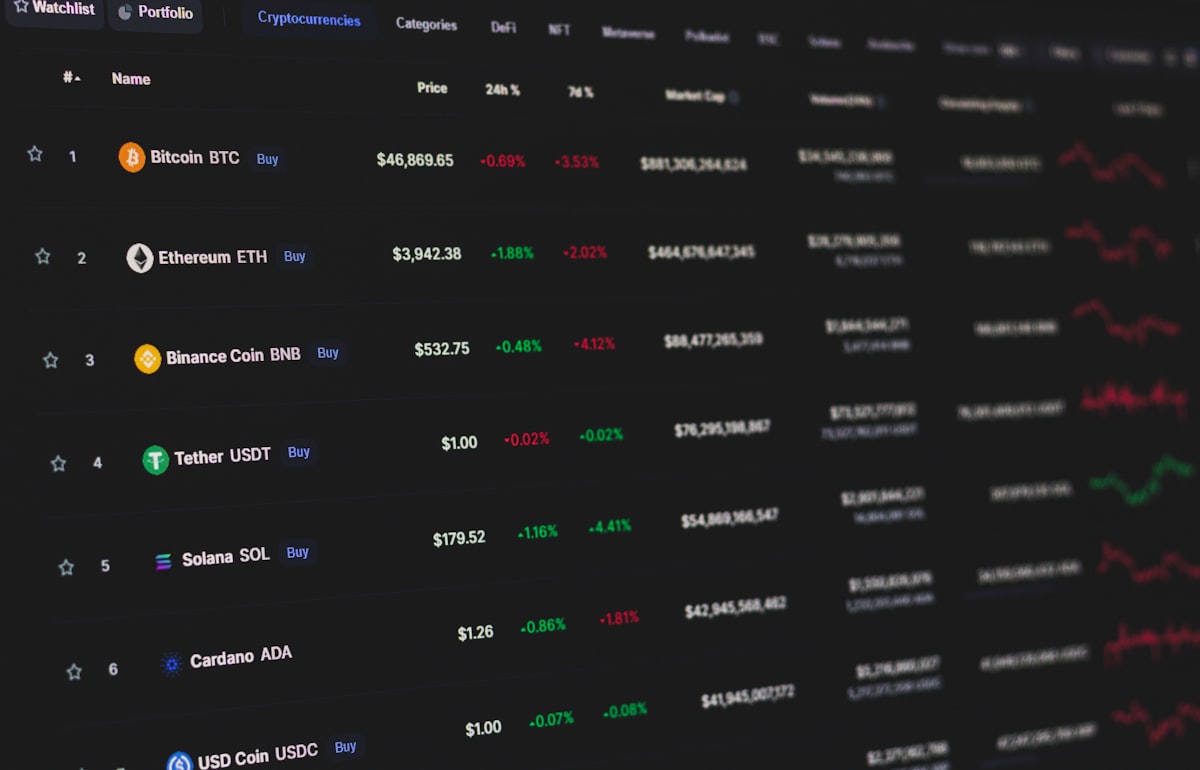
A prediction market is a market for future outcomes. Instead of asking people what they think in a poll, it asks them to put money behind a forecast: Will France win the World Cup? Will Mbappé win the Golden Boot? Will a match finish over 2.5 goals? The resulting price or pool balance becomes a live probability signal.
The CFTC explains prediction markets and event contracts as products where users need clear rules, costs and settlement criteria. That matters. A good prediction market is not just a flashy odds board; it is a rules engine where everyone knows what counts as Yes, what counts as No and who determines the final result.
How Prediction Markets Work
In a contract market, a Yes share might trade at 42 cents. Roughly speaking, that means the crowd is pricing a 42% chance. If the event happens, Yes settles at $1; if it does not, Yes settles at $0. In a parimutuel pool like PolyBola, users stake into outcome pools, and the winning side divides the losing side after the stated rake.
Britannica Money describes prediction markets as tools for aggregating beliefs, and that is the key idea. A single fan might be biased toward Argentina. Thousands of fans, analysts and traders competing against one another can produce a sharper estimate than any one voice.
Why They Fit the World Cup
The World Cup is built for prediction markets because it has many clean, verifiable questions. Tournament winner, Golden Boot, group winners, match results, goals totals and novelty props all have defined outcomes. The official FIFA schedule gives every match a timestamp, venue and resolution path.
- Binary questions are easy to understand: Yes or No.
- Market prices update when news changes.
- Crowd forecasts can reveal sentiment faster than editorial previews.
- Resolution rules keep trading grounded in official outcomes.
Prediction Market vs Sportsbook
A sportsbook posts odds and usually builds in a margin. A prediction market lets users trade against one another, with the market price moving as participants disagree. PolyBola is closer to a pool: pick the outcome, stake, and if your side wins, share the pool. Our prediction markets vs sportsbooks guide explains that difference in depth.
For a football fan, the practical question is simple: do you believe the current crowd probability is wrong? If yes, you have a prediction. If the market lets you express it with clear rules and responsible limits, you have a tradable view.
Common Beginner Mistakes
The first beginner mistake is reading a probability as a promise. If a team is priced around 60%, the market is not saying it will definitely win; it is saying the crowd currently believes the team wins about six times in ten similar situations. Upsets are not evidence that markets are useless. They are part of what probability means.
The second mistake is ignoring settlement language. “Will France beat Uruguay?” might mean 90 minutes only, while “Will France advance?” may include extra time or penalties depending on the rules. Before staking, read the market title, source and close time. A clear forecast can still lose if you misunderstood the question.
The third mistake is chasing a move after the best price has gone. Prediction markets update quickly when lineups, injuries and viral news appear. If the market has already moved from 35% to 48%, your question is not whether the news is positive. It is whether the new 48% price is still too low.
For World Cup 2026, the most beginner-friendly path is to start with low-complexity questions: tournament winner, Golden Boot, match winner, over/under goals and group advancement. Once those mechanics feel natural, comparison pieces like Kalshi vs Polymarket vs PolyBola become much easier to use.
Make your call
See the parimutuel model, payout flow and responsible-play notes.
Learn how PolyBola pools work →Frequently asked questions
What is a prediction market in simple terms?+
A prediction market lets people trade or stake on future outcomes. The market price or pool balance acts as a live estimate of how likely the crowd thinks that outcome is.
Are prediction markets the same as sports betting?+
No. They can overlap in sports topics, but mechanics differ. Sportsbooks set odds; prediction markets aggregate user trades or pooled stakes. Rules and availability also vary by jurisdiction.
What makes a good World Cup prediction market?+
Clear settlement rules, visible fees, enough liquidity, responsible-play controls and markets tied to official outcomes like match results or tournament awards.
What is implied probability?+
Implied probability is a percentage estimate derived from a price or market balance. It helps users compare whether the crowd is underrating or overrating an outcome.
Make your call
Join PolyBola, fund your balance in USDC, and back your World Cup 2026 call on a live parimutuel market.
Start predicting on PolyBola →Keep reading
How Parimutuel Prediction Markets Work (and Why PolyBola Uses Pools)
No order book, no counterparty. Parimutuel pools let the crowd set the price. Here's exactly how PolyBola's pooled markets work, with a plain-English example.
May 22, 2026

Prediction Markets vs Sportsbooks: A Smarter Way to Forecast the World Cup
Sportsbooks set odds to profit. Prediction markets aggregate what crowds actually believe. Here's why that difference matters for World Cup 2026.
May 25, 2026
World Cup 2026 Odds: Kalshi vs Polymarket vs PolyBola
Compare World Cup 2026 prediction-market odds across Kalshi, Polymarket and PolyBola, including fees, liquidity and trading style.
June 9, 2026